Of her husband Johnny, Velma Dawson would say, “We each supplied something the other didn’t have. Johnny was the visionary; I was the artistic one.”
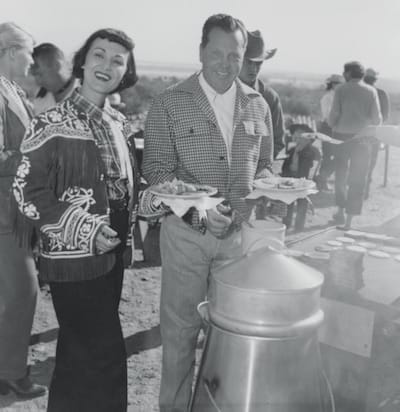
Five years before Lucy and Desi would call the Palm Springs and Coachella Valley home, there were Johnny and Velma Dawson.
Together, Johnny and Velma would help transform the sleepy desert dude ranches into the major destination it is today. And while Velma would be best known for creating the world’s most renowned marionette, it was Johnny’s vision that would prove most transformative to the Coachella Valley communities. Palm Springs Magazine would call Velma and Johnny Palm Springs first power couple.
Although this post doesn’t directly deal with the Howdy Doody television show, it deserves a supplemental article to offer a little insight into those who helped create our beloved Howdy Doody.
I’ll begin with the story of Velma’s husband, John “Johnny” Dawson.
John “Johnny” W. Dawson ( December 20, 1902- January 6, 1986)
As national television covered the Bob Hope Desert Classic golf tournament and countless other golfers tested their skills on one of the many courses across the Coachella Valley, Johnny Dawson, the man who created golf in the desert, passed away from complications of Parkinson’s disease on January 6, 1986. He was 83.
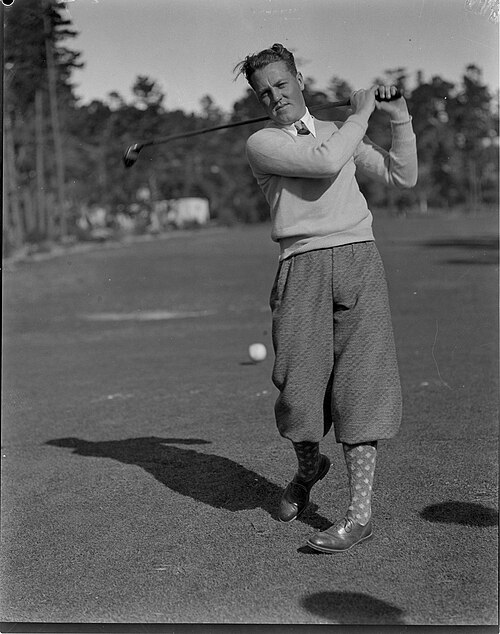
Born on December 20, 1902, in Wheaton, Illinois, John “Johnny” Dawson developed a love for golf while working as a caddie at a course near his home. After graduating from high school, Johnny began working for A.G. Spalding, then the country’s top sporting goods company. As part of his job, Dawson would travel around the country, looking for golfers who would promote Spalding equipment. It was then that Dawson began playing in amateur tournaments, where he discovered he had a true gift for the sport. So good was Dawson that sports writers would refer to him as the “uncrowned king of golf.”
However, in 1929, when he was at the top of his game, the U.S. Golf Association (USGA) banned him from amateur play because he worked for Spalding. The USGA didn’t lift its ban for a decade, even after Dawson quit the sporting goods company. This didn’t stop Johnny.
In his golfing career, Dawson would play in seven Masters Tournaments, make eleven holes-in-one in tournament play, and be named the U.S. Senior Amateur Champion from 1958 through 1960. And in 2007, Dawson was posthumously inducted into the Southern California Golf Association (SCGA) Hall of Fame. Although these records are outstanding, what he built in the Coachella Valley was absolutely amazing.
Johnny Dawson was quite familiar with Palm Springs and the Coachella Valley, having played in the O’Donnell Golf Tournament for years. At that time, there were only two golf courses in the valley: the O’Donnell and another, both nine-hole. Johnny saw the potential for 18-hole championship courses. But Dawson’s vision wasn’t just to build an eighteen-hole course, but rather to create an entire community around it. When he shared this idea with Ben Hogan, the golf legend said it wouldn’t work. But Dawson didn’t agree.
Dawson had already built a golf course in San Diego, California, when he began scouting for sites in Coachella. He studied different locations for the right conditions of water, soil, sun, and grass needed for a championship golf course. When the failing Thunderbird Dude Ranch in Rancho Mirage became available, Dawson jumped on it.
The Thunderbird Country Club opened in January of 1951. Some of the celebrities who became investors and bought homesites around the course were Bob Hope, Bing Crosby, Clark Gable, Phil Harris, Lucille Ball and Desi Arnaz.
Besides being the first golf community in the valley, the Thunderbird also helped establish another innovation in golf: the powered golf cart.
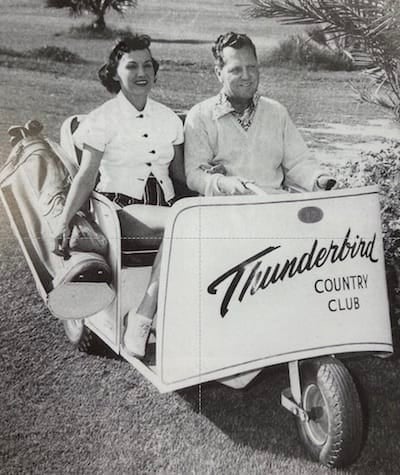
Eddie Susalla, the Thunderbird’s Associate Golf Professional, saw people tooling around Long Beach, California in three-wheeled motorized carts. Thinking this would be a great way to move the game along, Susalla bought a few carts and brought them back to the Thunderbird, where he converted them to carry golf clubs. In 1953, Eddie would replace the three-wheeled carts with four-wheel models.
After the Thunderbird, Dawson followed with the development of the Eldorado, Seven Lakes, the Marrakesh, as well as helping to develop the Desert Horizons and La Quinta Country Clubs. On his many developments, Dawson would tell friends, “You’re like a hog in a pen eating apples. You’ve always got your eye on the next one.”
Considering what he had accomplished, Johnny Dawson was quite humble. He would say, “Nobody in the world could be doing more interesting work than I’m doing. You’re creating something out of nothing. You’re changing a person’s way of living, and you’re not hurting a soul with what you’re doing.”
In researching for this post, I found many sources that noted Dawson’s accomplishments. And yet, in Palm Springs and the Coachella Valley, I could find no public recognition of him; no plaques, no statues; not even a Golden Palm Star on Palm Springs’ Walk of Stars. All I could find were a small reference to him on a card about his wife, Velma, at the Palm Desert Historical Museum and a mention on the Thunderbird Golf Club’s website. In fact, I couldn’t even find where he was buried. For me, this lack of community recognition seems very interesting.
But this didn’t hold for his first wife, Velma Wayne, whose accomplishments would, in many ways, overshadow him.
Velma Wayne Dawson (May 30, 1912- September 27, 2007)
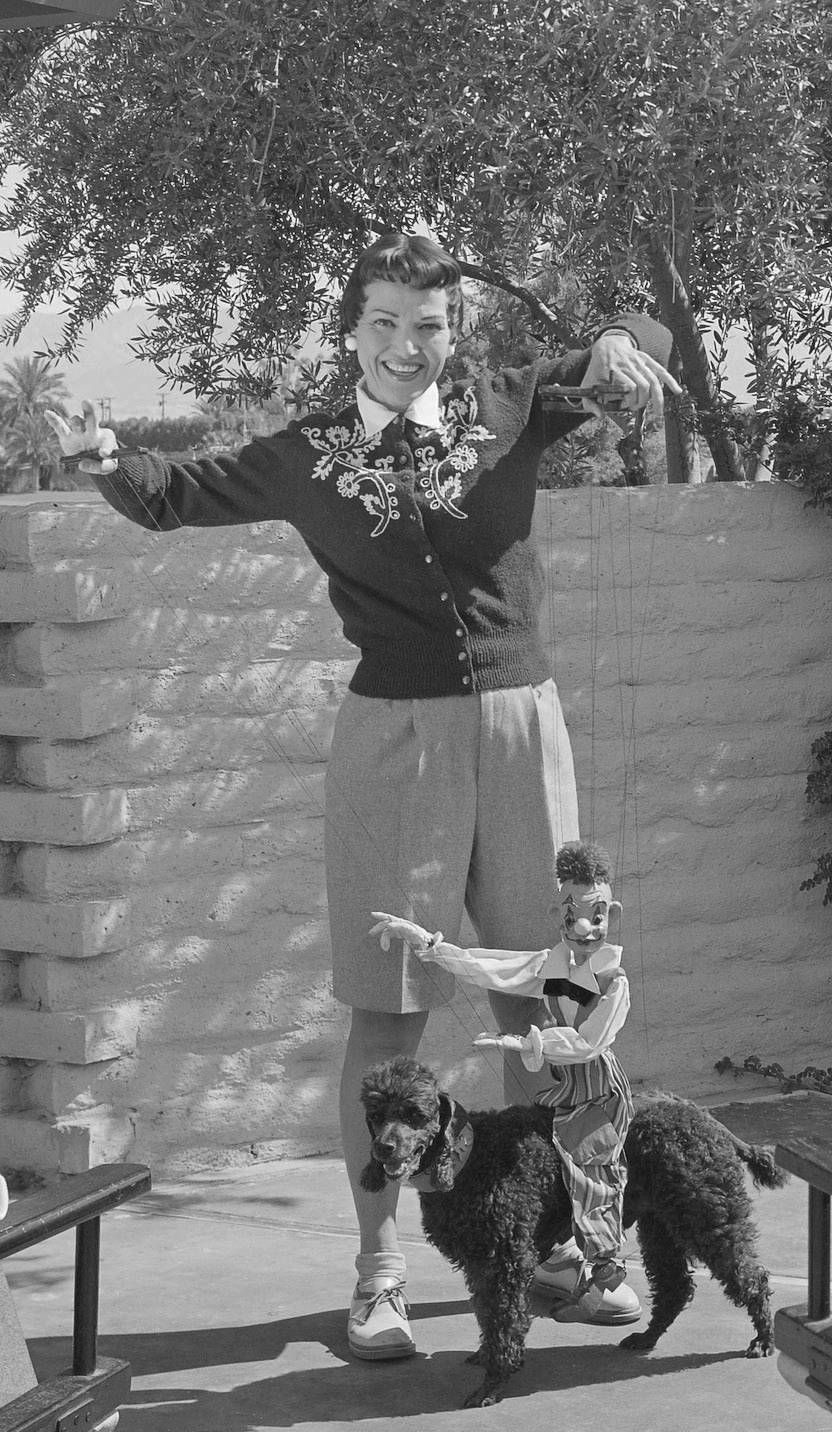
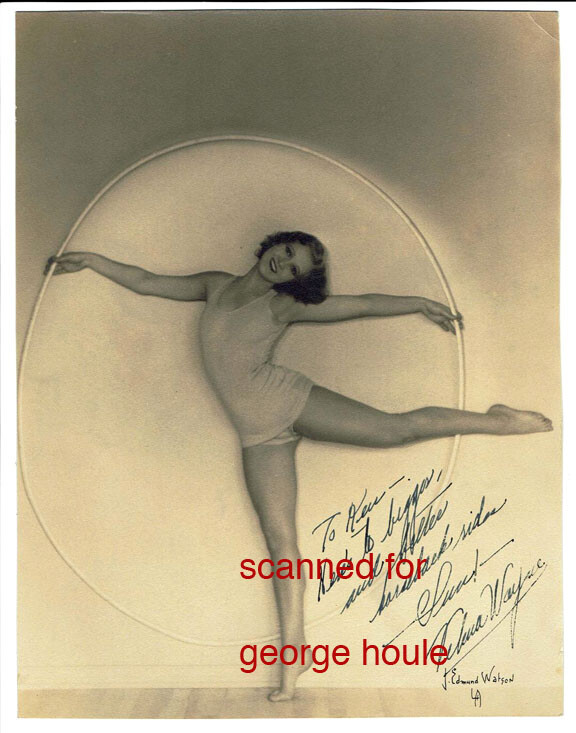
The life of Velma Wayne Dawson is much deeper than just her creating Howdy Doody. Born Virginia Wayne Pascoe in Sydney, Australia, on May 30, 1912, she moved with her family to Southern California when she was four years old. As a teenager, she began her career in entertainment, or as she called it, “Show Biz.” Around that time, she changed her name to Velma Wayne.
One of her first jobs was as a dancer with the famous choreographer Lester Horton. She also had a two-year contract as a bit player with Paramount Pictures, appearing in a few films. But it was after Velma began appearing in vaudeville that her life took a different direction. One of the acts she appeared with was ventriloquist Edgar Bergen and his ventriloquist dummies, Charlie McCarthy and Mortimer Snerd.
Velma would tell how one night she and Bergen attended a puppet show by the famous puppeteer team of Walton and O’Rourke at the Olveras Street Theater in Los Angeles. She described what she saw: “We saw a puppet show [that] had mice dressed up as people.” When it was over, Velma looked at Bergen and said, “I can do that.”
Velma would attend another puppet show performed by Wayne Barlow and his wife at the Robinson’s Department Store in Downtown Los Angeles. Velma described being thunderstruck with the marionette’s movements.
With her new interest in puppetry, Velma wanted to purchase marionettes from the Barlows. But the husband-and-wife team refused to sell. However, they offered to teach her how to create her own. Velma quickly accepted.
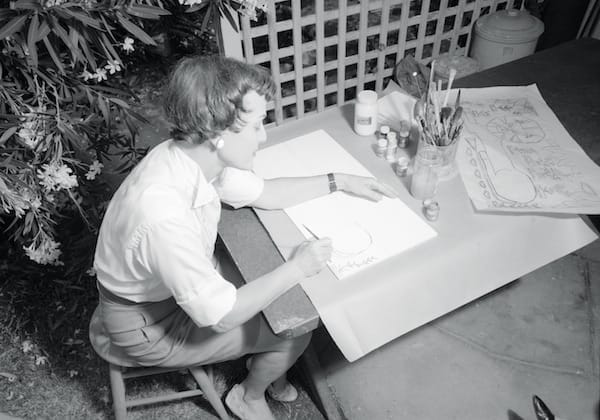
She would say that her first attempts at building marionettes were pretty bad, telling her friends, “When you’re learning, everything is bad.” But the challenge of sculpting, painting, costume design, scriptwriting, stagecraft, lighting, and the voice work required to create and operate marionettes fueled her artistic desires, and soon, through her dedication and hard work, she became quite masterful.
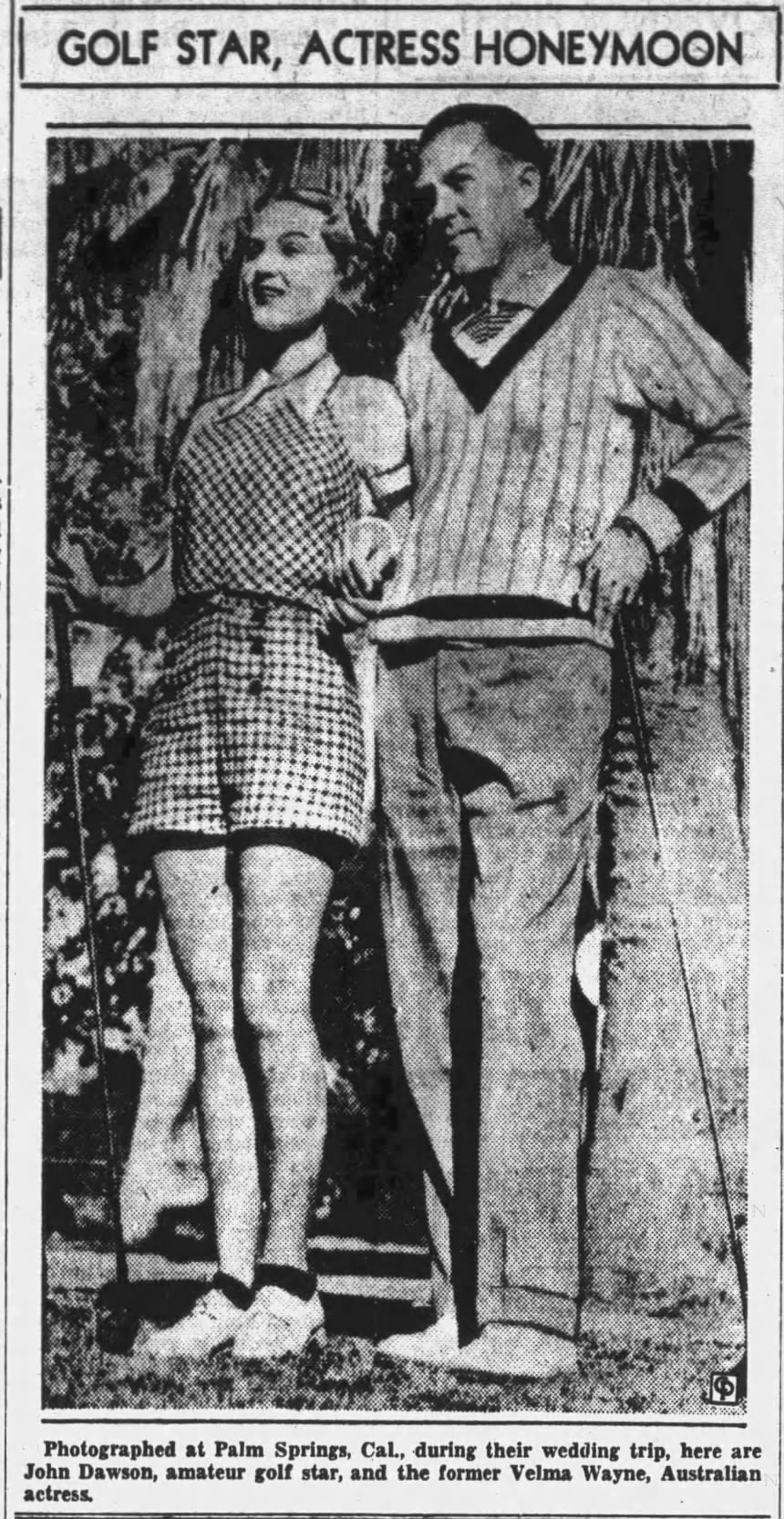
Another change to her life came in 1931, when she met amateur golfer Johnny Dawson. After dating on and off for a few years, she and Johnny married in 1937. At the time, Velma was 25, while Johnny was 35, ten years her senior.
To pursue Johnny’s dream of building golf course communities, the couple moved to Palm Springs, California in 1940. It was there that Velma expanded her creative talents as an interior designer.
Velma did all the interior designs for the clubhouses in Johnny’s golf developments. Wealthy clients who saw her work would hire her to design their homes’ interiors, a very profitable arrangement.
As the popularity of Johnny’s golf communities grew, celebrities began coming to the desert to invest in them. Velma was right there with him, welcoming them. So popular and connected were Johnny and Velma that they were referred to as Palm Springs original power couple.
As Johnny became more focused on securing investors and finding sites for his golf developments, Velma dove deeper into the creative arts. And the one that offered her a creative refuge was puppetry. As Velma would say, “Once you do puppets, they’re always with you.”
Velma became so well known for her work with marionettes that she was given her own show on KTTV television in Los Angeles. Then, in 1948, she got that call from WNBC in New York. They needed her to create a Howdy Doody.
I go into great depth and detail on Dawson’s creation of the Howdy Doody we all love in my post, From Doodyville to Detroit: The History of Howdy Doody, Part 2: Howdy Doody’s Mom. You can read that post by clicking on this link.
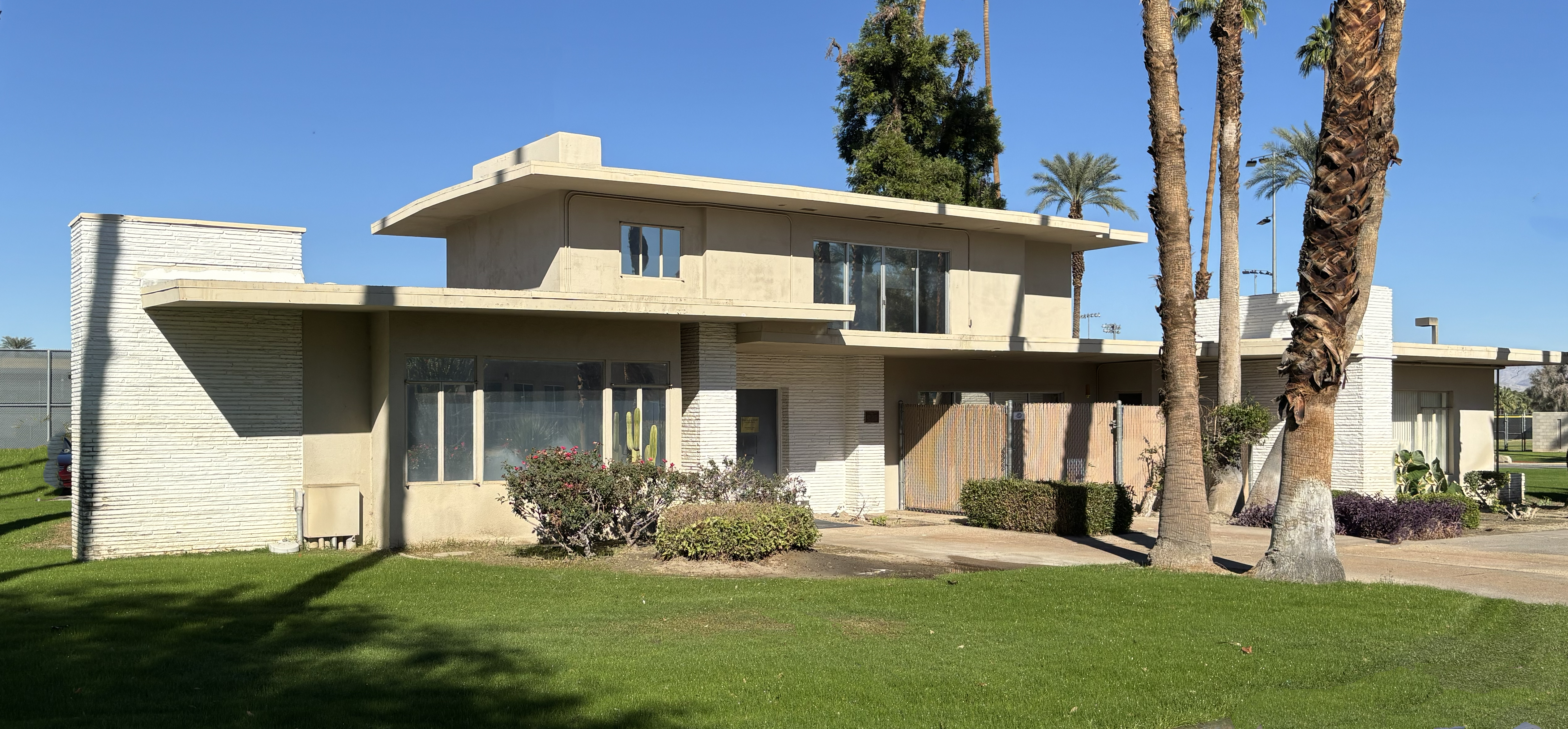
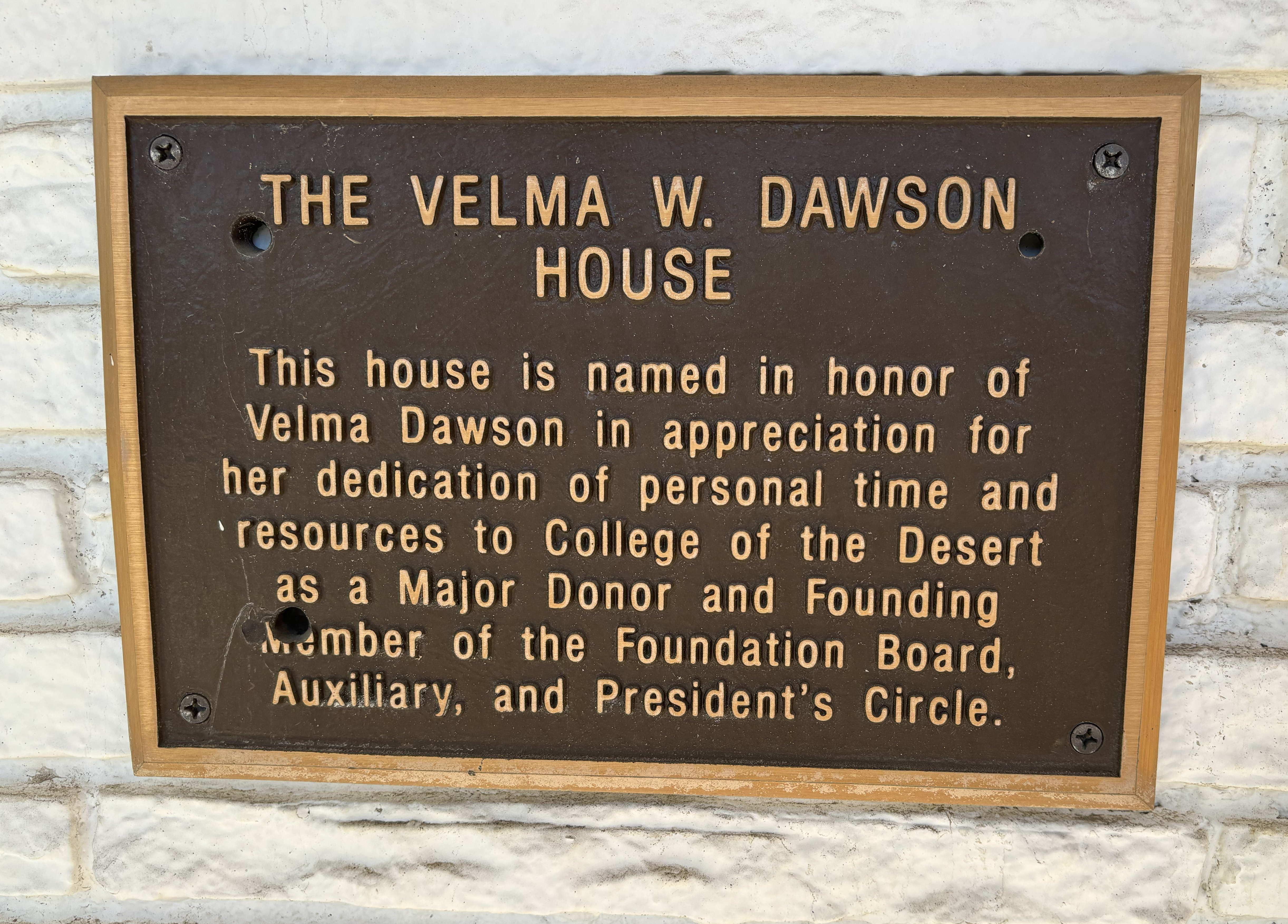
Besides her puppetry and other artistic endeavors, Velma was a major benefactor of causes in Palm Springs and the Coachella Valley. For her contributions to the College of the Desert, the college named its foundation building after her. Velma was a founding member of Pathfinders, an organization devoted to helping young people in the area. In addition, she supported the Palm Springs Art Museum and the McCallum Theatre.
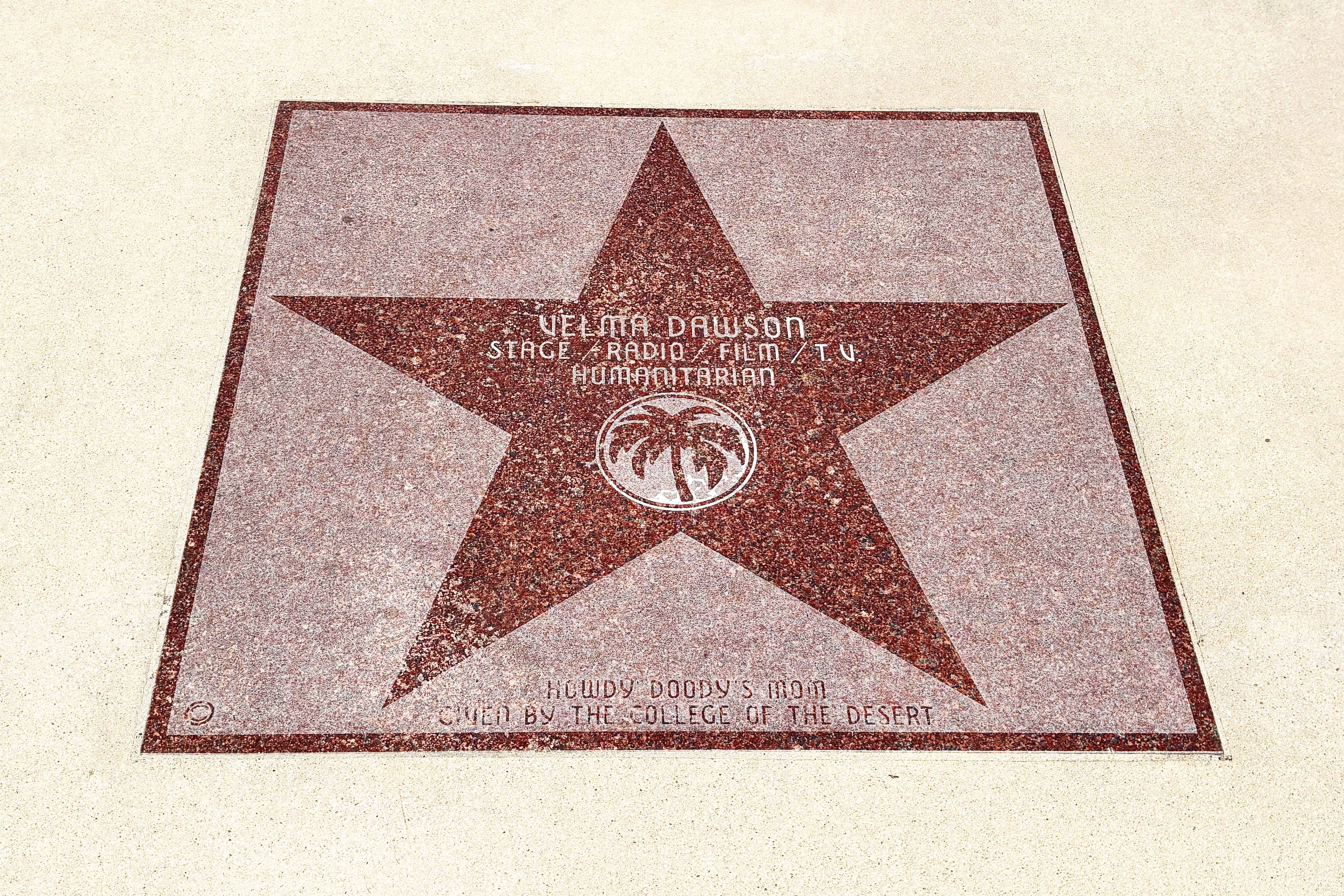
In 2000, the City of Palm Springs and the Palm Springs Chamber of Commerce recognized Velma Wayne Dawson for her civic work and her contributions to television with a Golden Palm Star on their Walk of Stars. Along with her name on her star, it says, “Howdy Doody’s Mom,” as it is on her grave marker. Velma’s star is located to the left of the museum’s main entrance.
Velma continued entertaining children with her marionettes and welcoming her many fans, who made the pilgrimage to her home to meet Howdy Doody’s Mom. About her life, all Velma had to say was, “All I did was make a stupid puppet.”
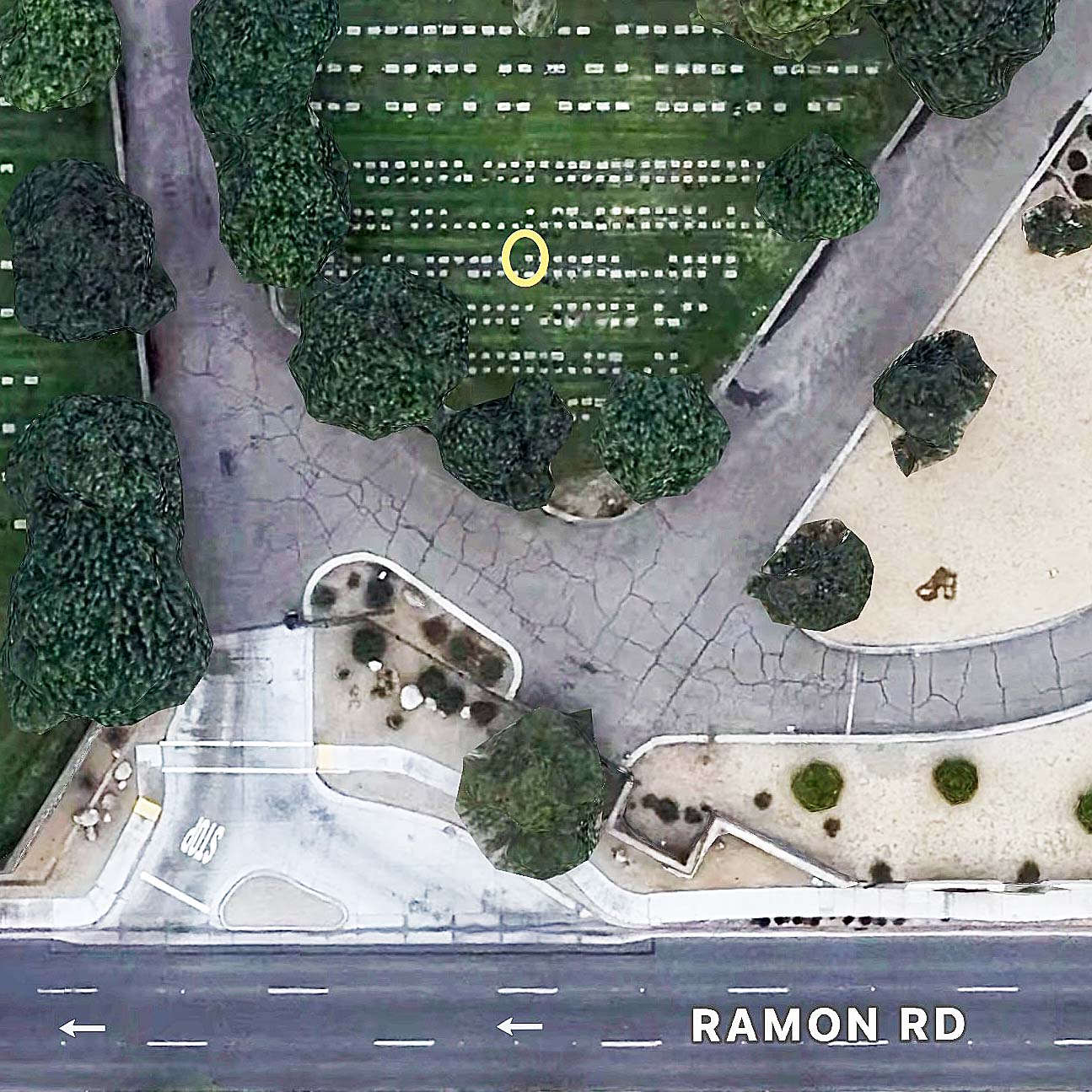
On September 27, 2007, Velma Wayne Dawson passed away at her home in Rancho Mirage, California. She was 95. She’s buried at Desert Memorial Park in Cathedral City, California. As I stated earlier, on her grave marker it reads, “Howdy Doody’s Mom.”
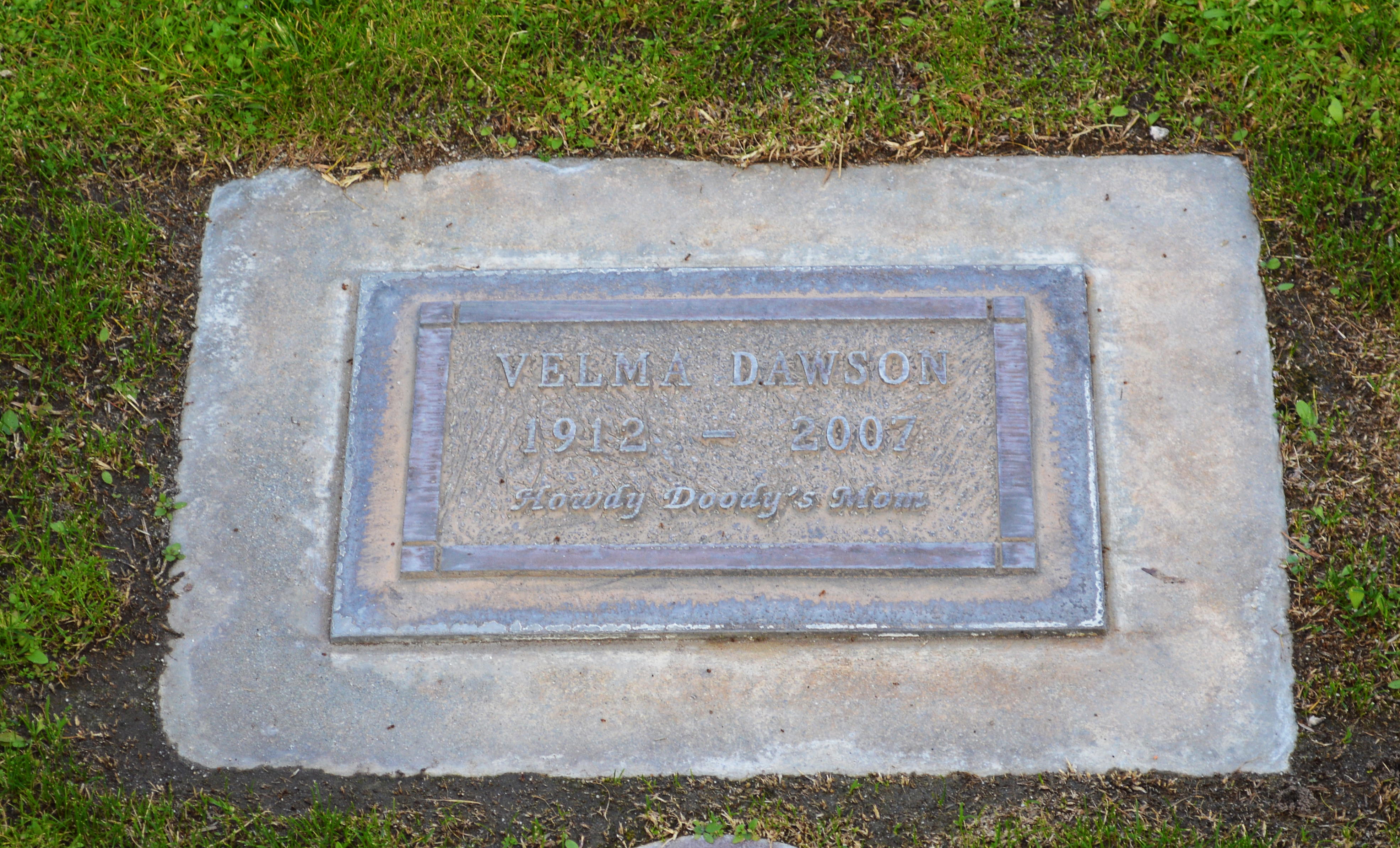
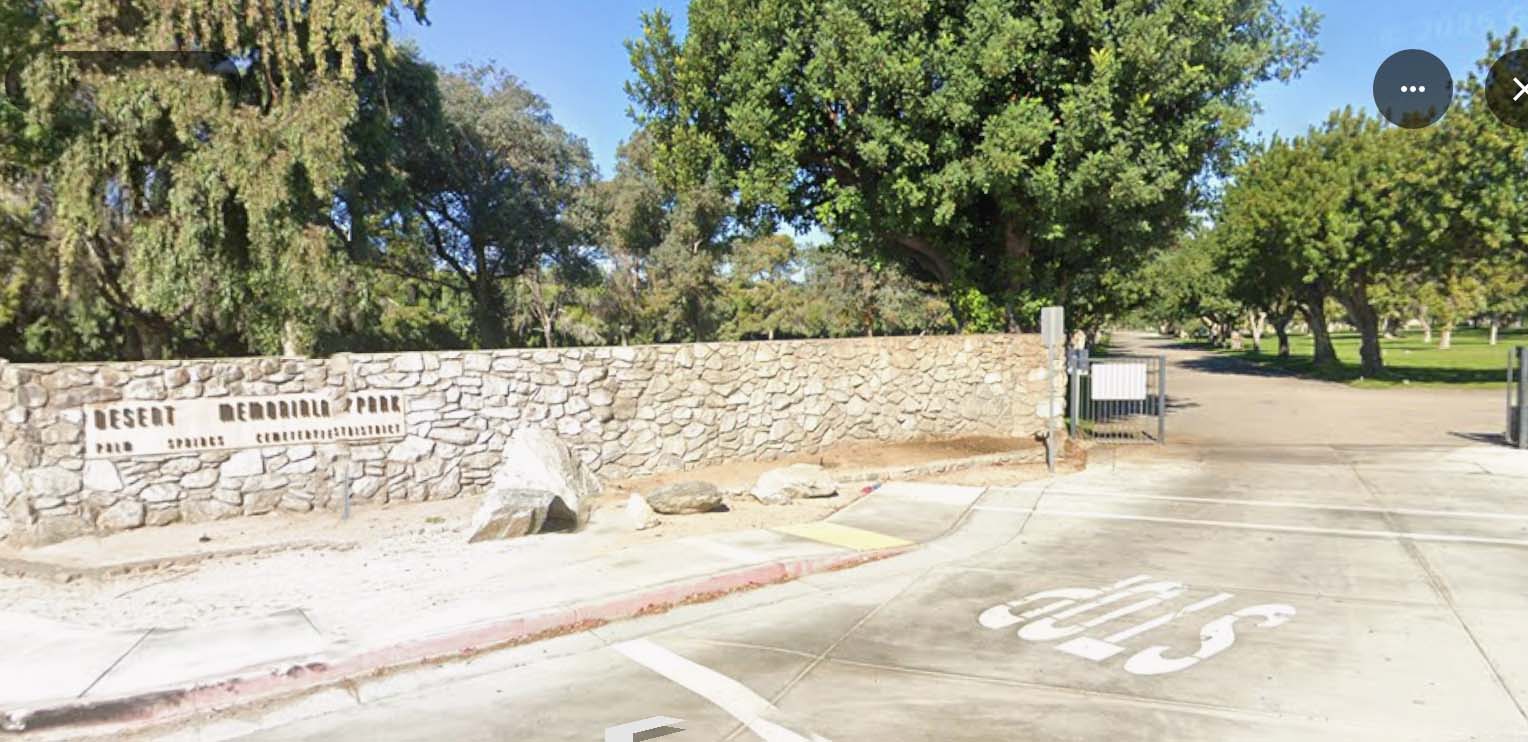
Desert Memorial Park is located at the corner of Ramon Road and DaVall in Cathedral City. Velma’s grave is just inside the main Ramon gate, down the left drive, row B4, lot 45.
Sources Used:
“Enter Johnny Dawson.” Thunderbird Country Club, Thunderbird Country Club, 2026, http://www.thunderbirdcc.org.
Golfer Johnny Dawson: Amateur Champ, Father of California Desert Golf.” Golf Compendium, Golf Compendium, http://www.golfcompendium.com. Nov. 2026.
Munn, James. “We’re the Dawsons!” Palm Springs Life, Desert Publications Inc., 20 Sept. 2021, www.palmspringslife.com.
“Velma Wayne Dawson.” Fandom, Fandom, howdy-doody.fandom.com. Accessed 23 Nov. 2026.
“Velma Wayne Dawson.” Find A Grave, Find A Grave, 4 July 2010, http://www.findagrave.com/memorial/54474539/velma-wayne-dawson.
Wikipedia. “Howdy Doody.” Wikipedia, Wikipedia, JJMC89 bot III.
Wikipedia. “Johnny Dawson.” Wikipedia, Wikipedia, 1 Nov. 2026, en.wikipedia.org/wiki/Johnny_Dawson.
I want to give special thanks to historian Lawrence Kaufman for pointing me in the right direction in finding the Velma Dawson building.

