
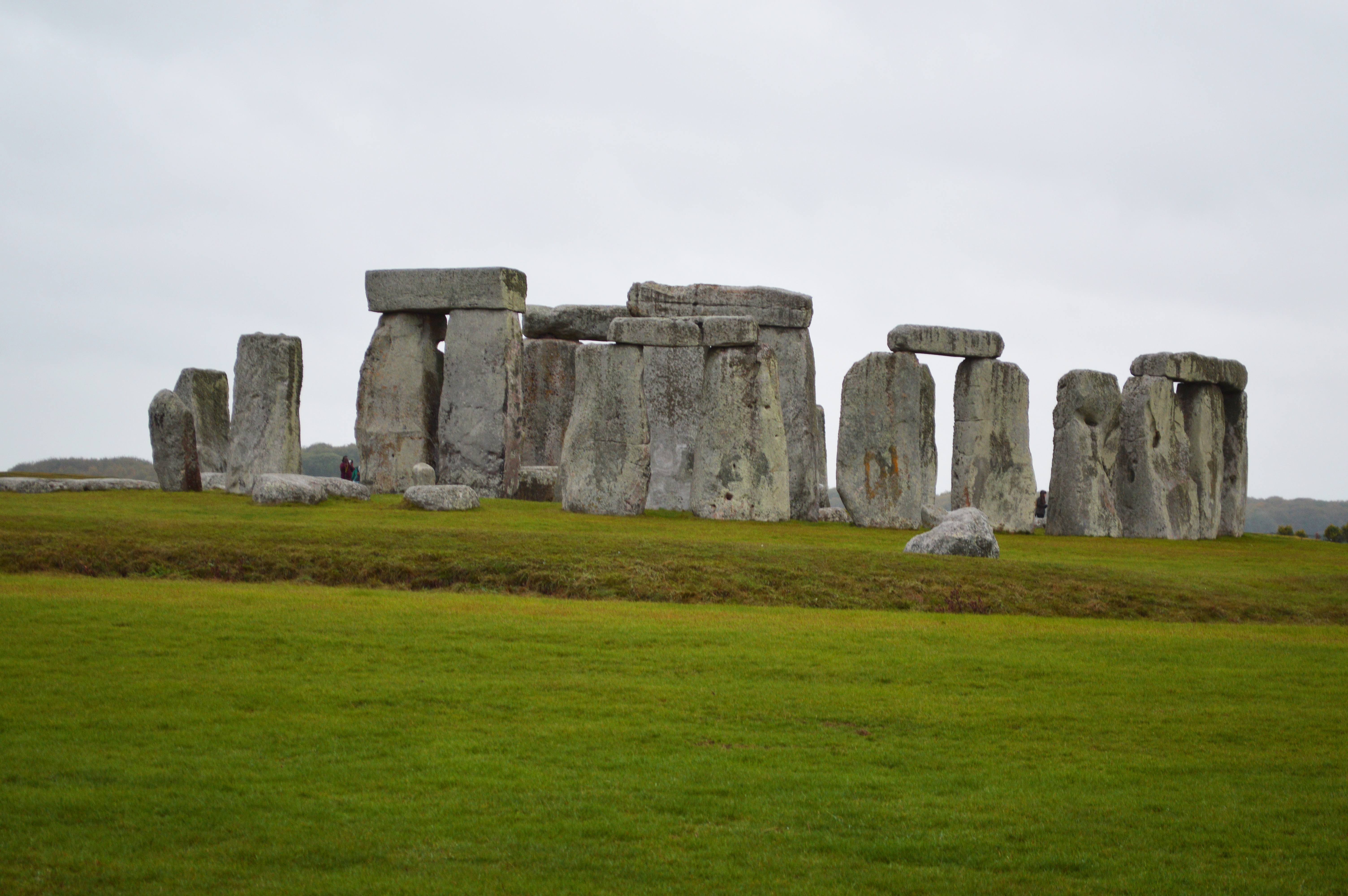
This got me thinking: How do the ages of different ancient buildings compare to one another? Which were the oldest? For my test, I chose three well-known ancient buildings: Stonehenge in England, the Parthenon in Greece, and the Colosseum in Rome.
When visiting historical and archaeological sites during your travel adventures around the world, you often think of those sites only for what they were in their time. We learn their age, who built them, and what their purpose was. However, what’s overlooked is how each of these ancient monuments fits into the world’s human journey. What I mean is, how does one ancient structure fit with other ancient structures from different civilizations, different time periods, in different parts of the world?

My “Ah-Ha” moment came while visiting the Acropolis in Athens. As I took photos of this ancient wonder, I stepped off the paved path to get a better shot of the Parthenon and slipped on the rock. Luckily, I didn’t fall. There, looking down polished stone of the Acropolis, it occurred to me how many others had walked on that very spot over the millennia. It kind of humbles you.
Stonehenge: Archaeologists believe it was constructed by prehistoric tribes between 3000 and 2000 BCE, with the first bluestones being raised around 3000 BCE. The Parthenon: Built by Pericles around 449 BCE, with construction completed in 438 BCE. The final sculptures were completed in 432 BC. The Colosseum: Originally known as the Flavian Amphitheater, was constructed beginning around 70 CE by Emperor Vespasian on the site of Nero’s lake and gardens, the Domus Aurea. Construction of the amphitheater was completed by Emperor Titus in 80 CE.
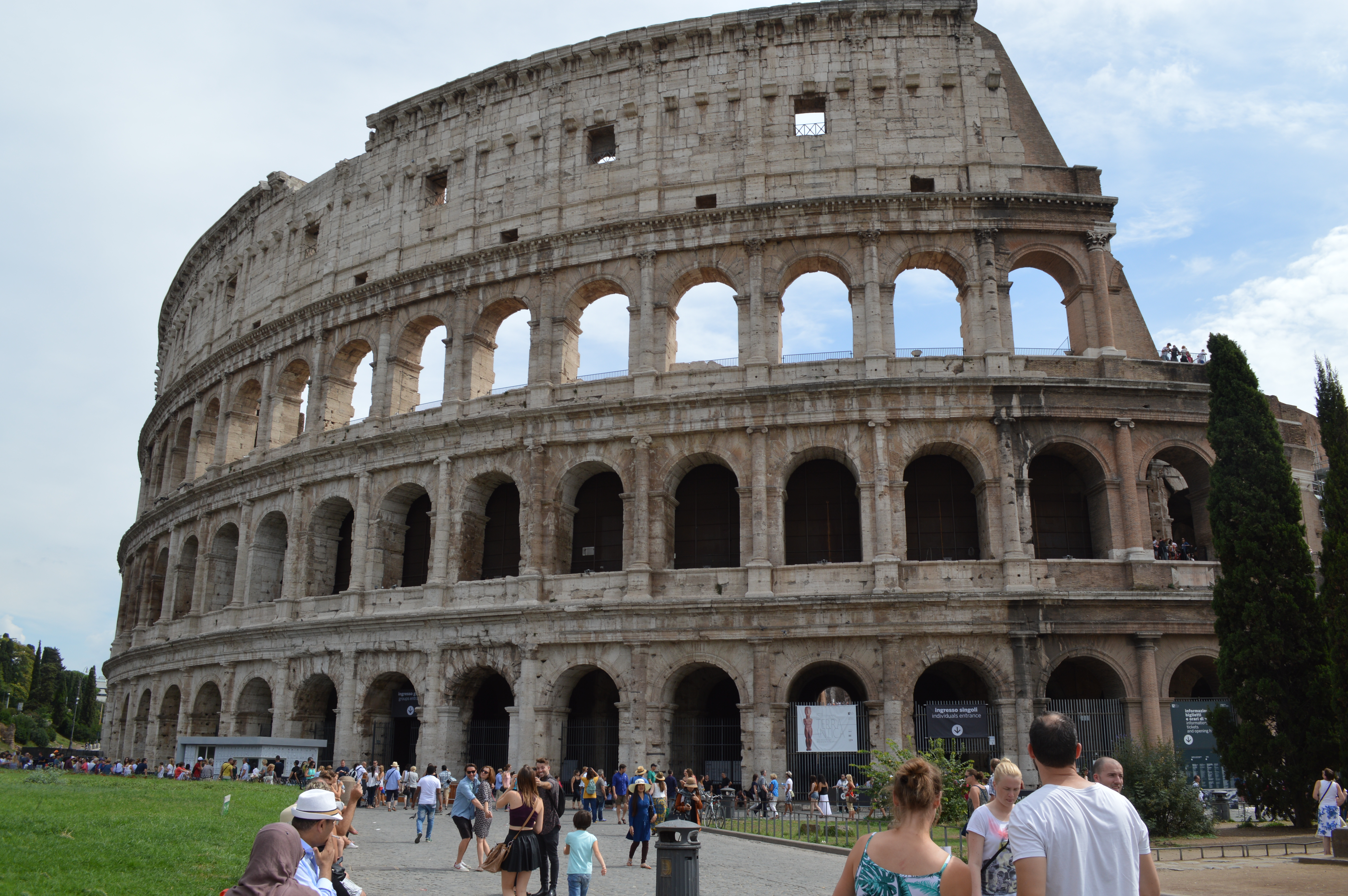
So, what does this mean in the context of world history? It means that Stonehenge was already 1,586 years old when Pericles finished construction of the Parthenon. And that the Parthenon is 512 years older than the Colosseum. In fact, when the construction on the Colosseum began, Stonehenge was already 2,080 years old. To provide further perspective on the ancient Stonehenge, when Julius Caesar invaded Britannia in 43 CE, he would have encountered an abandoned and ruined Stonehenge. Its history of who built it and why it was built was already lost to the millennia.
So, if you want history to be fascinating, don’t just look at it from one perspective; look at it within the broader scope of time.
 Still Current
Wonderful insights! I love doing those kind of comparisons. I have seen the Colosseum, but haven’t made it to the Parthenon or Stonehenge yet.
LikeLike
I’m so happy you enjoyed my article. This is the kind of history that I find interesting. Check out some of my other posts were I bring to light other slices of unknown history. I hope you get to the Parthenon and Stonehenge. Along with that, if you’re in the USA, you must see the exact replica of the Parthenon in Nashville Tennessee.
Thanks again for reading.
LikeLiked by 1 person