
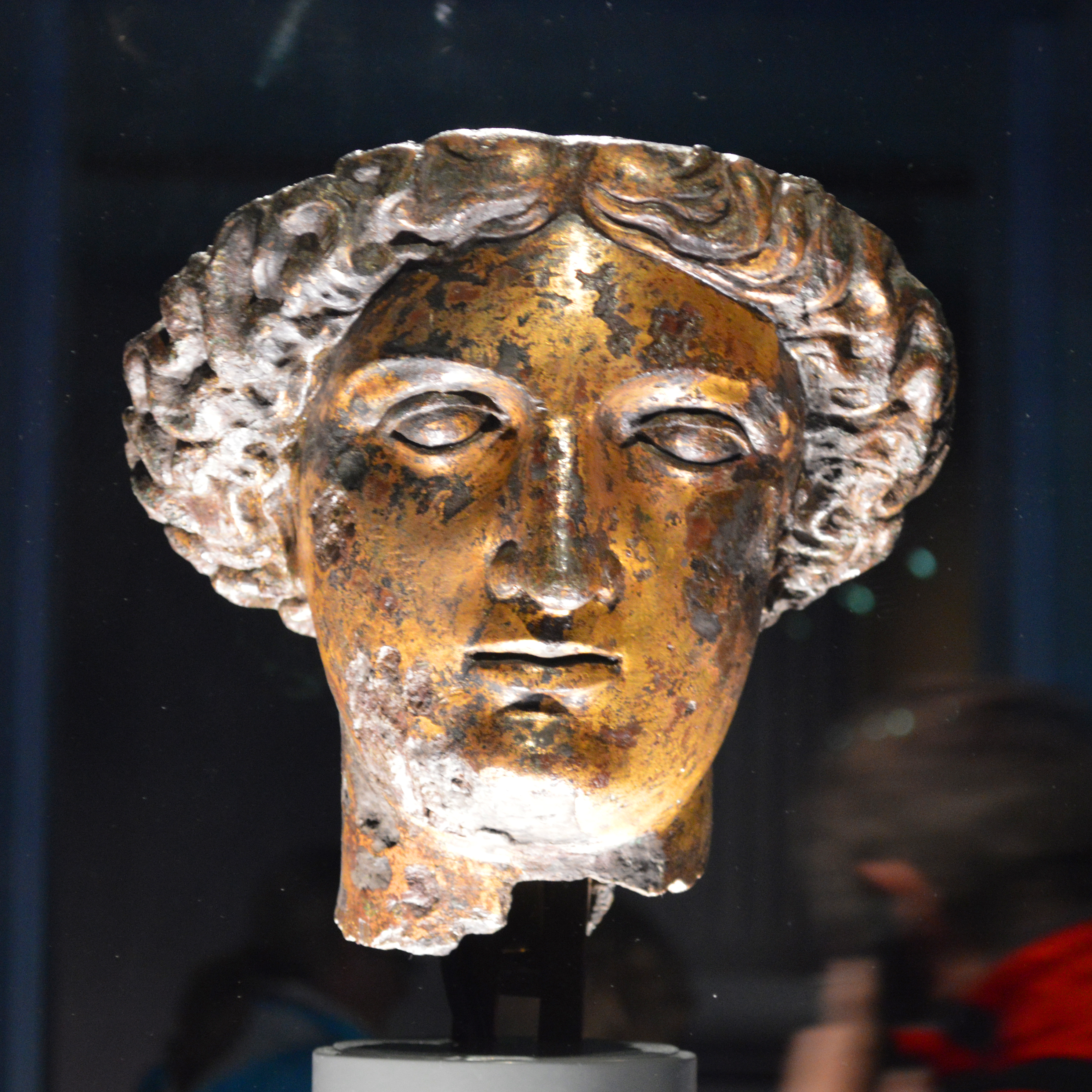
The ancient city of Bath is located in the county of Somerset in southwest England. Although it was first believed to have been founded by the Romans as a spa city in around 60 AD, new archaeological findings now show that early Bronze Age Britons used this area of hot springs as a shrine dedicated to their goddess Sulis. This fact can be hinted at by the name that the Romans gave this city, Aquae Sulis, Latin for “the waters of Sulis.”
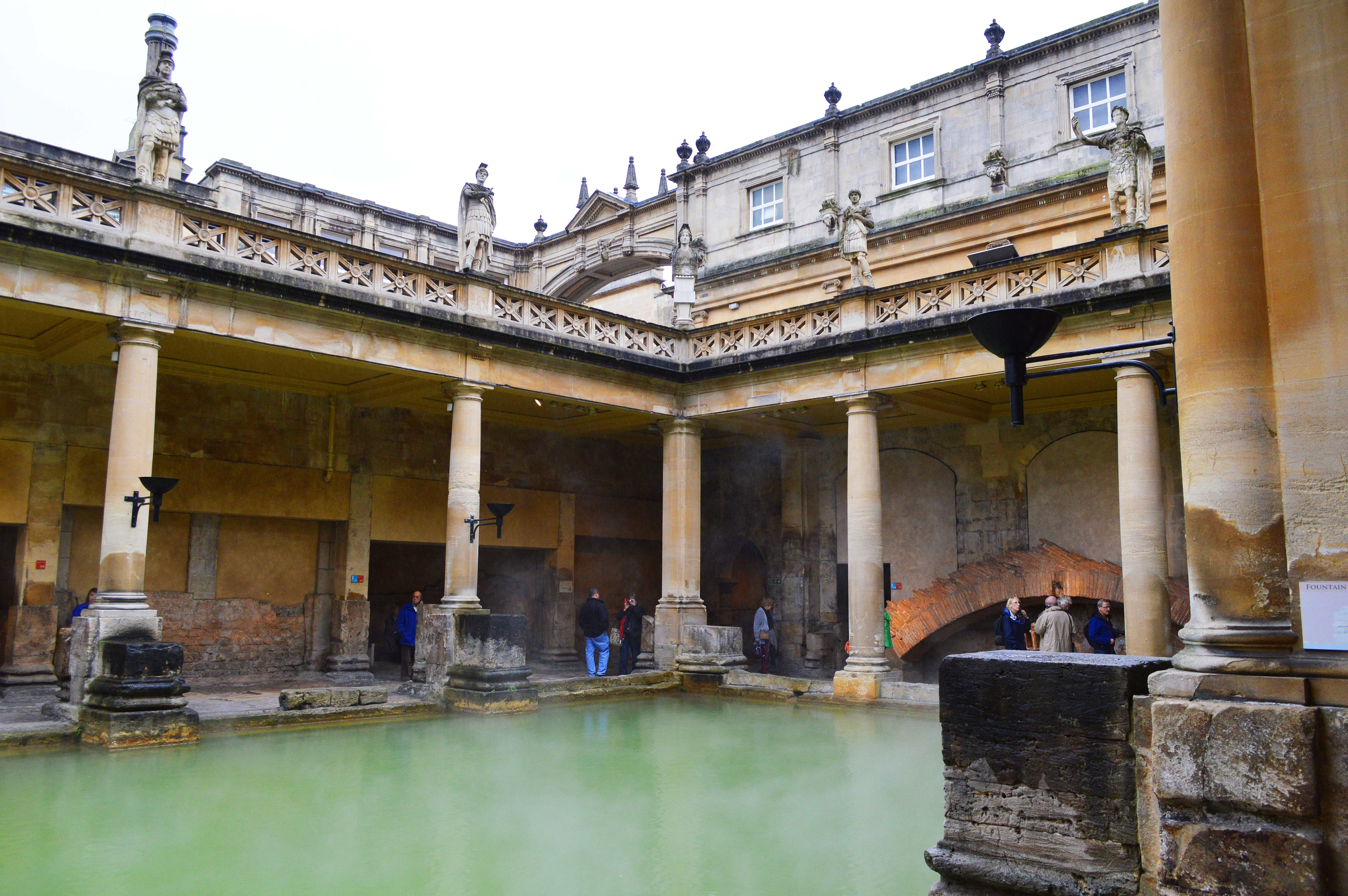
But it is the Roman occupation that the city is famous for. Bath was the favorite resort retreat for the Romans while in Britain. Temples and the extensive bathing complex were constructed over the next 300 years. Roman engineers drove oak piles into the spring’s mud to provide a strong foundation for their bathhouse structures. Irregular stone chambers were lined with lead to help insulate the water as it moved through the areas of the bath. In the second century, a barrel-vaulted ceiling made of wood was added to houses of the hot, warm, and cold baths. Around the third century, a defensive wall was constructed, encircling the town and baths.
However, after the Romans left, at the beginning of the 5th century, the baths lost their popularity and eventually fell victim to silting and disrepair. As interest in the baths began to revive among the English, the hot springs were rediscovered over the following centuries, and restoration of the Roman-era structures commenced.
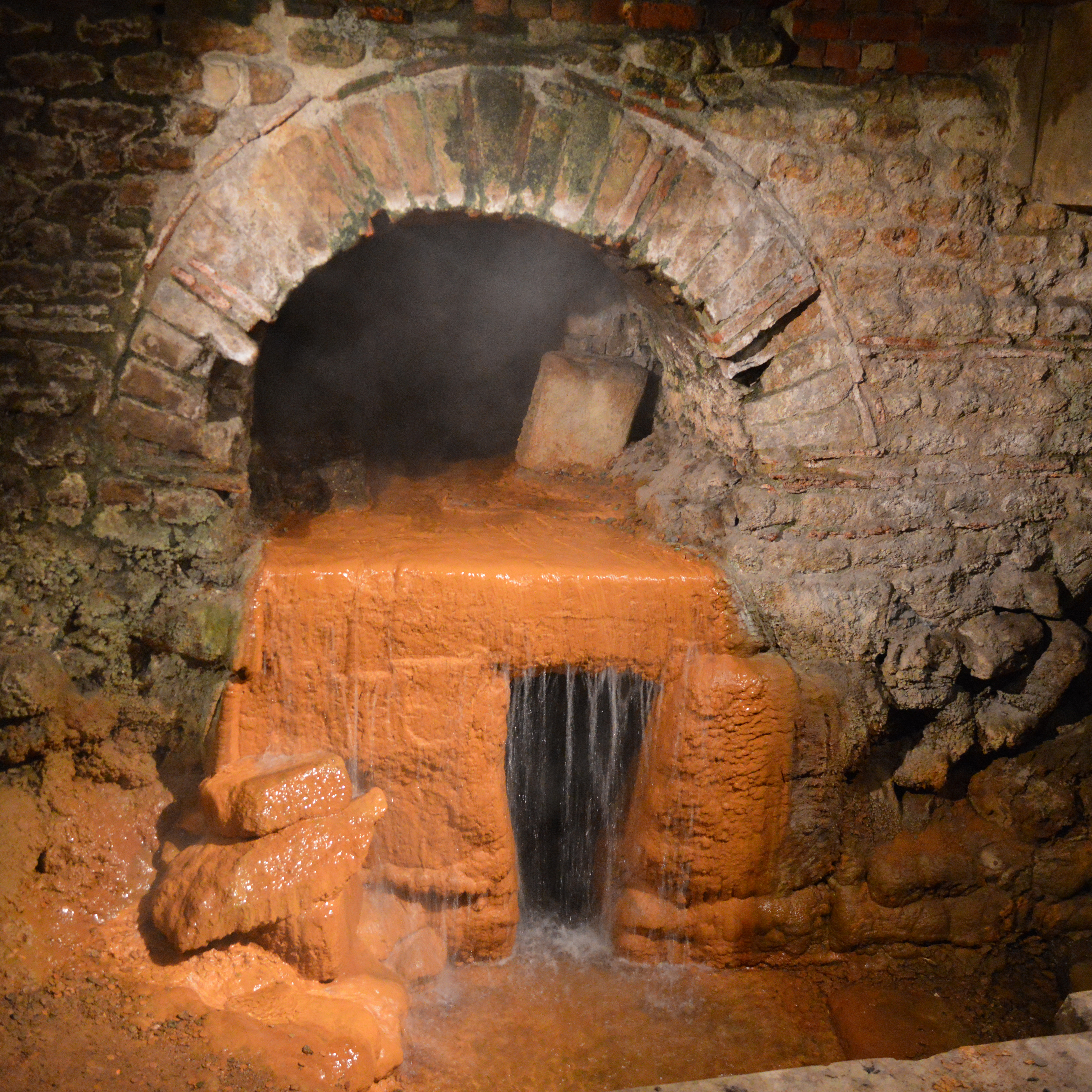
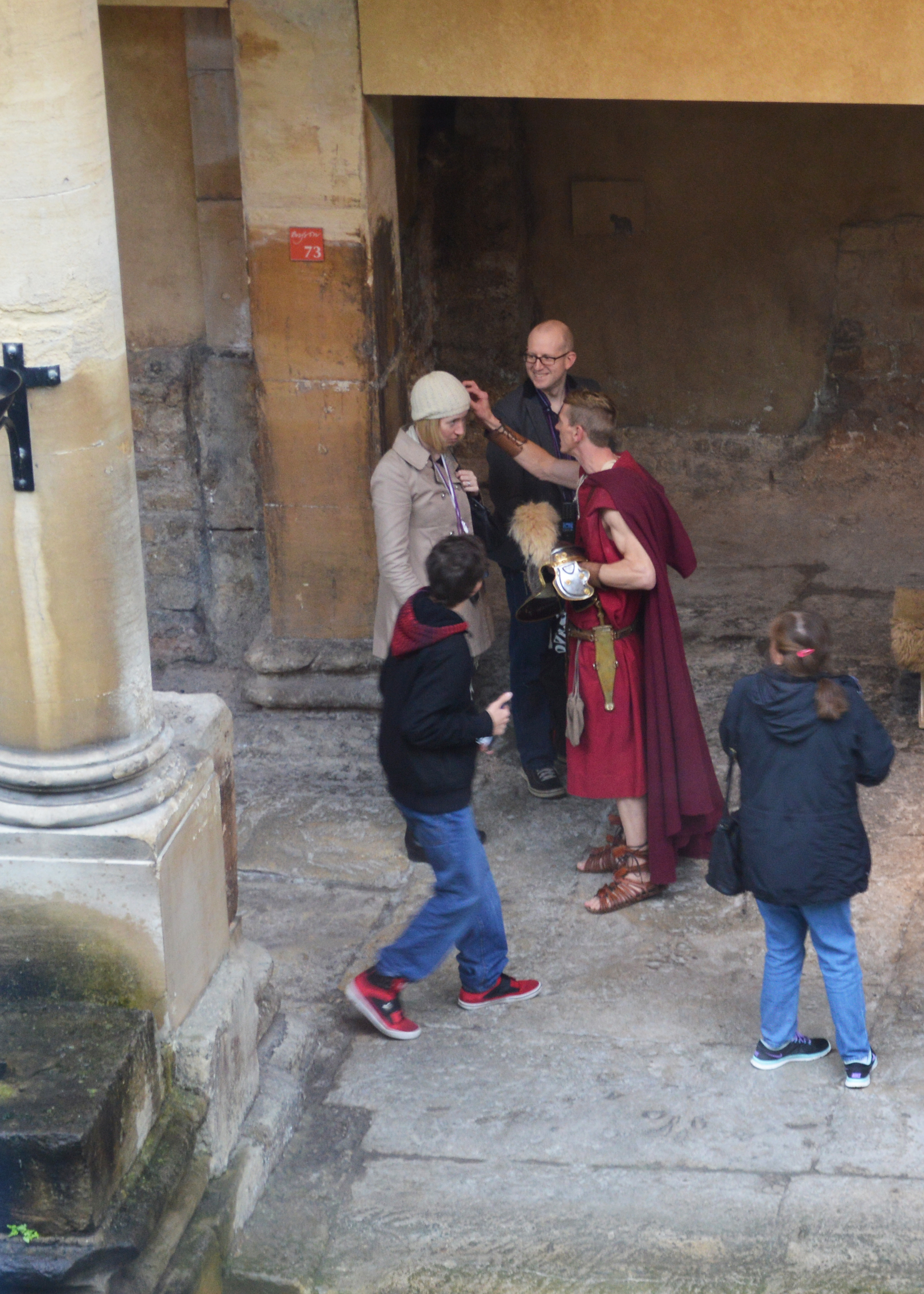
Today, you can descend to the restored Roman Baths, where docents, costumed as Roman soldiers and citizens, tell you the history of the baths. And imagine, as you walk among the foundations, smelling the hot waters and viewing the artifacts, that you are seeing the engineering of a water system that is nearly 2,000 years old.
Another site to visit while in Bath is its Abby. Its official name is the Abbey Church of Saint Peter and Saint Paul, Bath, but the locals just call it Bath Abbey.
The history of a church on that site goes back to 675 AD, when King Osric of Hwicce helped to establish a convent in Bath. In 1090, the Church was elevated to the status of a cathedral, where plans were drawn for a grand new building. Construction was only half finished when a fire destroyed it in 1137. Bishop Godfrey, however, continued the construction, which was finished in 1156.
Over the years, the Cathedral fell into disrepair, and when Bishop Oliver King visited the church in 1499, he was shocked to see it in a state of ruin. A year later, in 1500, King pushed for the rebuilding of the cathedral.
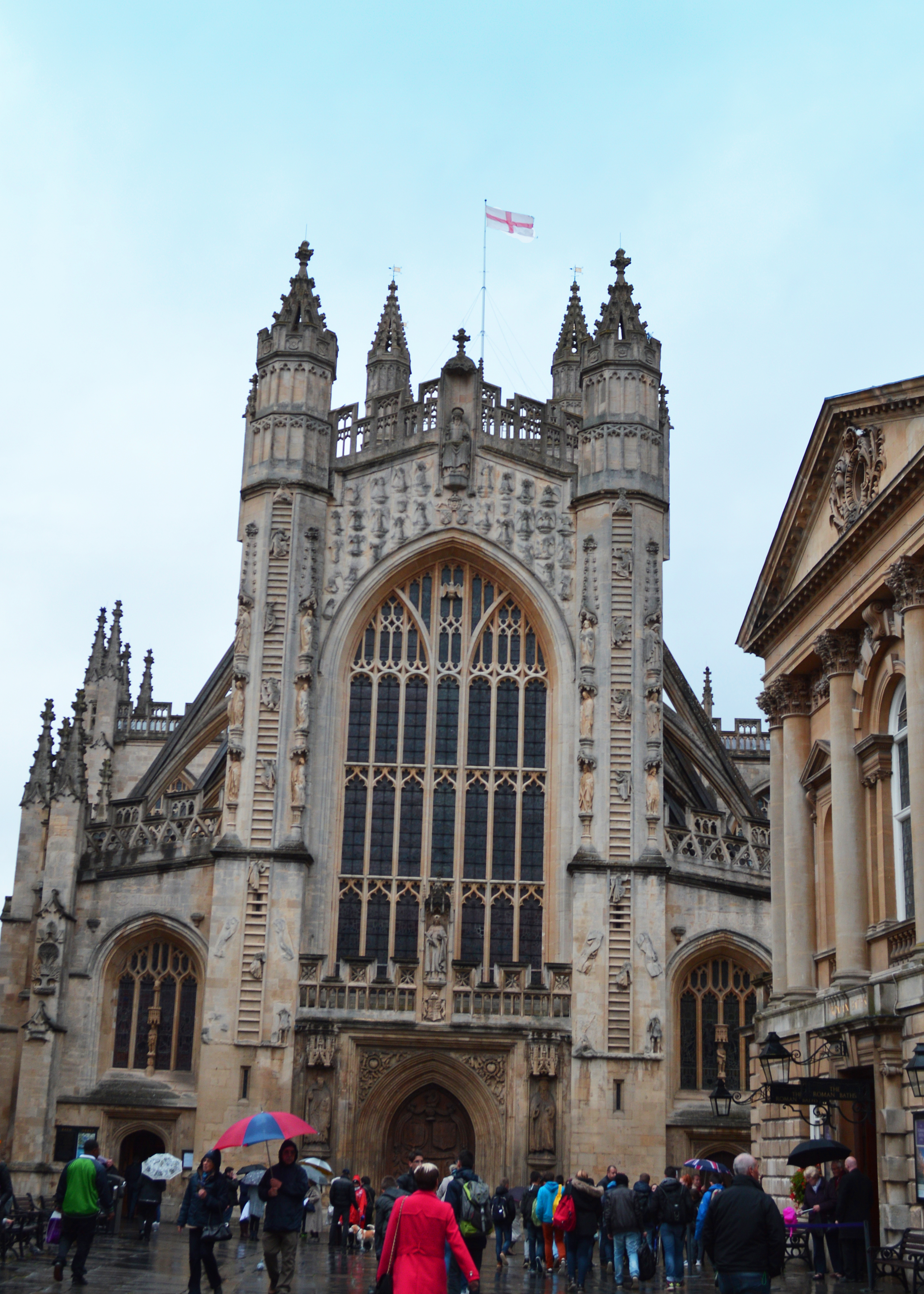
Again, in around 1539, the building was ravaged for its lead, iron, and glass, leaving just a hollow, roofless shell. Queen Elisabeth I again funded a reconstruction of the ruined church. However, it wasn’t until the 1820s that serious work began on the building and its surrounding area. Major restoration began in 1860 under the direction of Sir George Gilbert and continues to this day.
 Still Current
One thought on “The Roman Baths, at Bath England”