
Perhaps one of the most mystical bucket list places that I wanted to visit was the ancient monument, Stonehenge. From London, it takes less than two hours to drive to Salisbury Plain in Wiltshire, England. When you think of Stonehenge, you think of the large circle of stones; however, the Stonehenge complex is much more extensive. The entire site comprises not only the remains of the ring of blue stones but also a much larger network of earthworks, burial mounds, and a village that radiates out from the stone circle into the surrounding countryside.
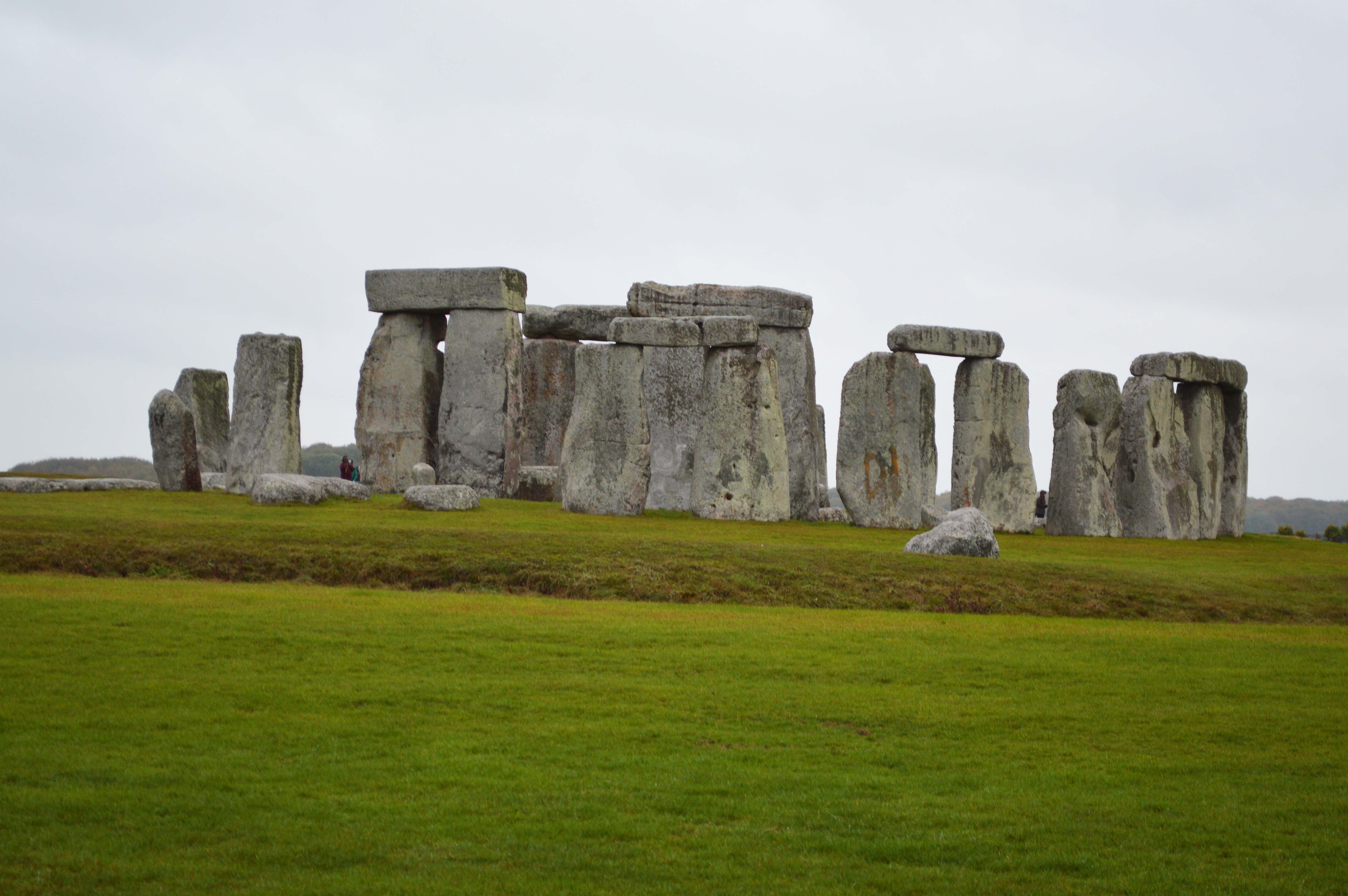
This prehistoric site was constructed in five known phases, spanning from approximately 3100 BC to around 1600 BC. New archaeological evidence now shows that the area around Stonehenge was used as an ancient burial ground as far back as 8000 BC. The stone circles that we identify as Stonehenge are thought to have been raised between 3000 BC and 2200 BC.
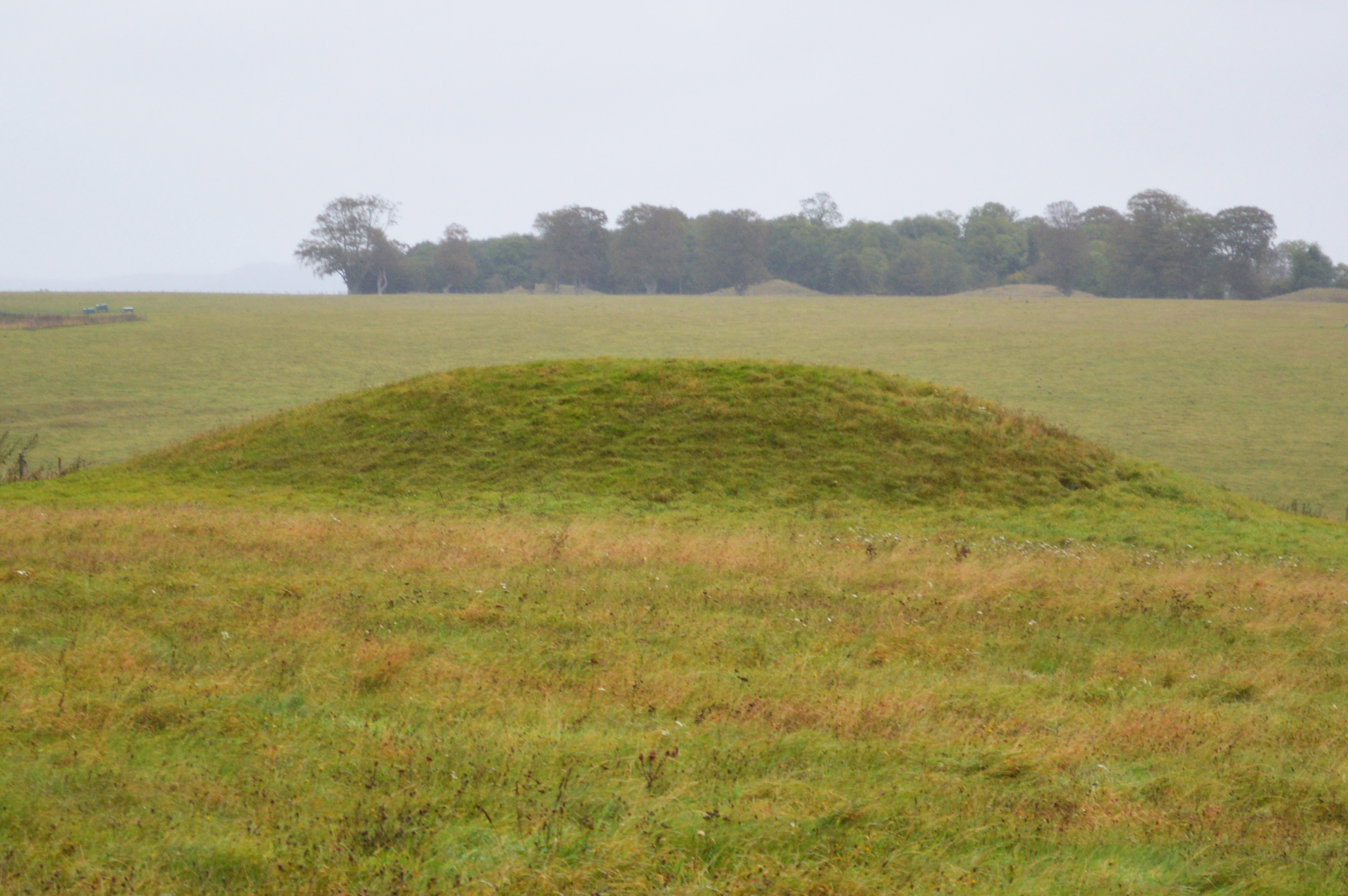
The day we visited was cold, windy, and rainy, a typical fall day in England. As we drove through Salisbury Plain, I noticed that the area was a vast open farming region. Soon, I saw a mound here and a mound there in the fields, a few of the burial mounds. Then, for just a brief second, off in the distance, there it was, Stonehenge! Then it was gone behind one of the rolling hills.
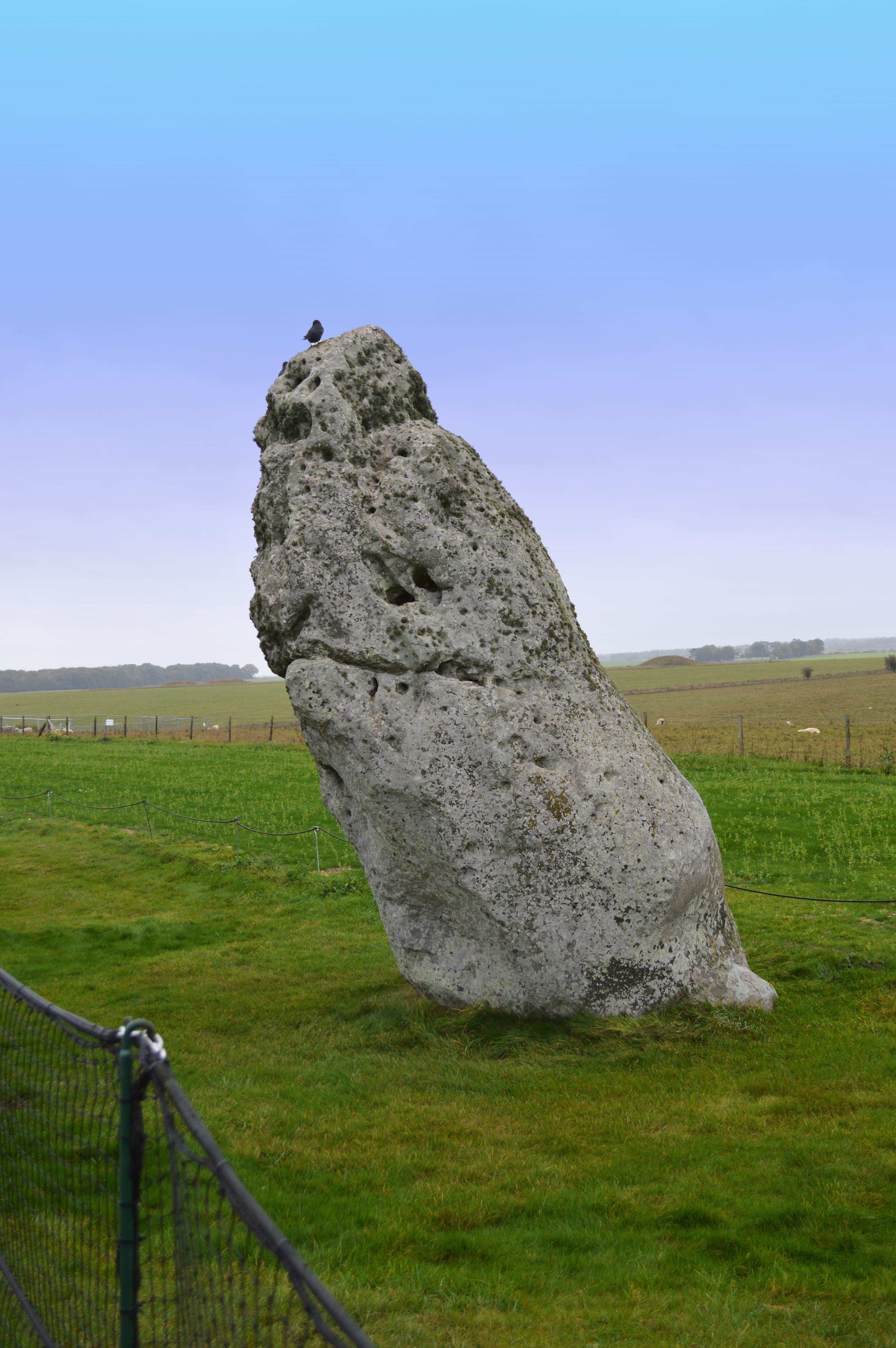
We arrived at the visitor center/museum, obtained our tickets, and boarded one of the trams that take you out to the monument. The tram moved slowly, and my anticipation was running very high. Where is it? Where’s Stonehenge? Then off in the distance you see them, standing solemnly against the gray rain-filled sky. The lonely stone circle, placed there by human hands thousands of years before the oldest temples or cities of Greece and Italy. It is very awe-inspiring just to think about it.
As archaeologists discover more Neolithic and Bronze Age sites around Stonehenge, changes have been made to preserve this entire complex. Not long ago, the visitor center was just across a small road from the stone circles. It has now been relocated a distance away. To protect the large stones of the circle from visitors defacing them, a rope boundary now encircles the monument, with special access allowed only once a year. None of these changes has taken away from the wonder of these works by ancient humans.
 Still Current
One thought on “Prehistoric Stonehenge”